Work with me: web copy
You want and need a website! You’re excited and want it to be finished ASAP but you haven’t got time to build it yourself. What to do?
1. You need a website designer (I know many).
2. Someone to take some high-quality photos of you &/ your products (no iPhone pics please).
3. Professional branding - this is essential and
4. Last but not least, me to write the words for the website.
Why should I employ someone to write the words for my website?
In my Concise Oxford English Dictionary, ‘copy’ has numerous definitions and one of them is ‘n…..3 matter to be printed > material for a newspaper or magazine article.’
In the same dictionary, a copywriter is ‘n. a person who writes the text of advertisements or publicity material.’
As a copywriter for your website, I write the words that will make up each page of your site: home, about, services or products, a contact page and maybe your blogs too (working on blogs together is slightly different – see here). Your website is a shop where potential customers browse and learn more about you as a brand and what I write needs to sell it!
Many people don’t want to pay someone to write about their business. They think they can do it themselves. Some can, of course, but most cannot for numerous reasons. Employing a web copywriter, has these benefits:
• We know what we’re doing. We love writing, we read books for fun about language, we read books about writing for websites; we’ve written lots of websites and writing is our job. We love writing, did I say that already, and we love telling your story.
• Web copy or the words for your website are submitted on time to the web designer ensuring the website is completed on time!
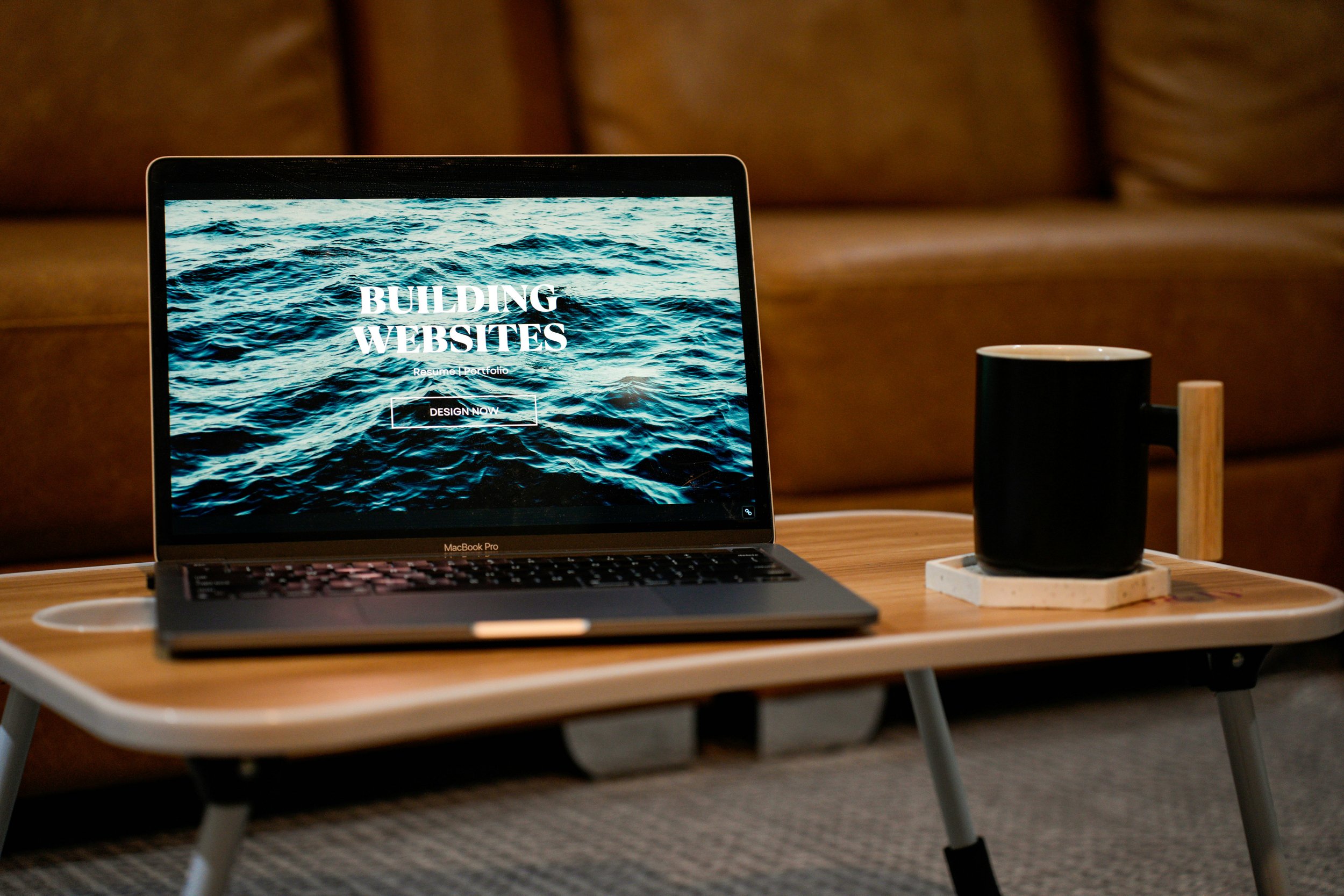
Image Carriza Maiquez via Unsplash
• We save you time, energy and brain space: people embark upon their new website project with enthusiasm but often they find it hard to sit down and write. Entrepreneurs and business owners are busy selling their products and services and everything that entails. Writing the website becomes another thing on the ‘To Do’ list and it seems to move further down each day. The project stagnates, contractors become frustrated and the website goes live much later than planned.
• We provide objectivity. It can be difficult to write about your own business. You know its faults and foibles, you may not be able to see it for the success it is. A copywriter is someone who writes advertising and marketing material and can really extol all the virtues of what you do.
The process
‘Core Questions’ for writing your web copy
• Your business – what do you do and why do you do it? What’s the story behind your business? Tell me about your successes and challenges. What does the future hold? Why have you decided on changing your website now?
• Who is your existing audience? Do you want to attract a new / different audience? Is that in addition to your existing audience?
• How you want to sound. Friendly/formal/funny? Serious/professional/knowledge? There’s a long list of words that you can choose.
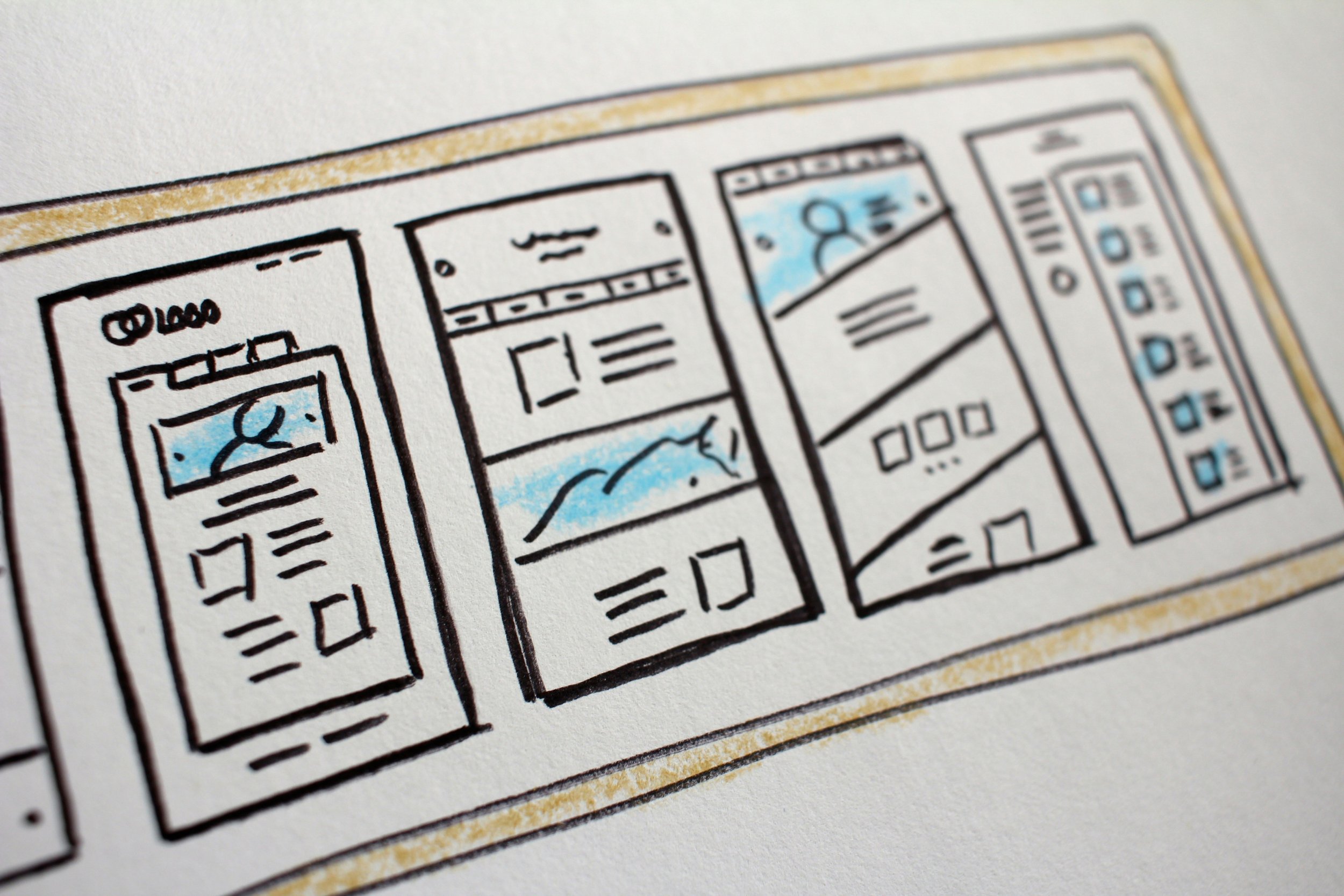
Image: Hal Gatewood via Unsplash
• What would you like to cover on your website? Most websites have a Home page, an About page, a Contact page and a Blog page (which could be called ‘News’, ‘Resources’ or something that ties in with your business) and then, of course, a Product or Services page. Most work goes into this last one and I love getting my teeth stuck into it!
• What do you consider to be your core values.
• How would you describe your mission / do you have a mission statement?
• Who are your biggest competitors? This is interesting as we can see what they’re offering and you can describe how you want to differentiate what you do. What’s your USP?
• Do you have websites that you like (don’t have to be from your industry)? Why do you like them?
• Website likes and dislikes – I have many but that’s for another blog!
You write your answers to these or we discuss them together and then we can get started!
Writing the web copy
Once I have the information from you based on these questions and our conversation, I take writing the web copy, or the words for your website, off your hands.
I’ll provide you with information on the pages I’m focussing on and the timelines, when I expect to have the first draft ‘on your desk.’
Home and About pages are typically less wordy than a Products or Services page but those words must have impact. People tend to scan websites rather than read them in detail so the wording must be clear and concise.
Product / Services pages are where we delve into the detail and people do tend to read these more completely. These take longer to write as they need to ‘sell as well as tell.’

Carriza Maiquez for Unsplash
Your input to the web copy
And, then, there is a little work from you.
You need to read what I’ve written about your business and consider whether it sounds like you or how you want to sound. Is this how you want to come across?
Also, is it factually accurate? Have I represented your business honestly?
I am always open to feedback – this is your business and we want this website to reflect your business brilliantly so we must work on it until it’s as near to perfect as we can manage.
It’s really helpful if, as the business owner and client, you can reply with feedback as promptly as possible. When I’m writing a website, I have momentum – the language, the products, how it’s going to look, and delays can lead to a slowing down and in some cases, a complete stop. That’s really frustrating for everyone concerned.
So, there’s some back and forth, your feedback, my suggestions and then when it’s say 90% complete, I’ll perform my ‘toothcomb’ check.
I edit what we’ve created with a fine toothcomb. Here are some of my considerations:
• Spelling, punctuation and grammar checks as well as typo removal. I think spelling mistakes on a website make it look very unprofessional.
• Readability – does it read well, does it make sense?
• Is it cohesive? If we’ve used a common thread through it all, is that thread overworked or is it just right? Do we need to make it more obvious in places?
• Consistency is paramount as it elevates the website in my opinion and gives it a professional edge.
o Pronouns – are we using ‘I’ or ‘we’ or writing in the third person and is that consistent throughout?
o Do all the titles and headings follow the same rules? What should be capitalised and what shouldn’t be?
o Are we using the same measuring format e.g. it wouldn’t be good if we used pounds and ounces and grams and kilograms. One or the other please!
o Am I writing in American English or UK English? That’s on me!
The website designer may have had some previous versions to play around with and the advantage of that is we can all review how the words look on the site, accompanied by images, using your brand’s font and logo etc. Sometimes we’ll want to move sections around or I might not like the way the copy looks – perhaps it’s too wordy, or I see word repetition that I hadn’t noticed before.
Until website go live, there can be changes because we’re all working towards making the website the best reflection of your business!
Blogs on your website
Blogs are a little bit different as they’re a standalone piece of work. To go live, I think you need at least three blogs and I can be working on those separately. As blog content, consider using case studies, creating evergreen content e.g. instructions on how to use a product of yours that will stand the test of time (like this piece!), your story and relevant topics. Remember that they must all be keyword driven.
Go live!
And then it’s go live and another website is released into the world! Hopefully we’ll continue to work together on blog content.
If you are looking for someone to help with your website, please get in touch: caroline@Carolinekings.com